
Learning Through Play Makes Children Thrive
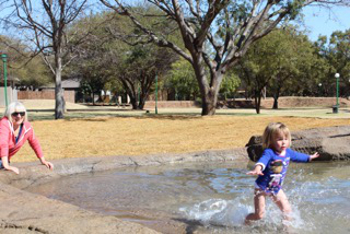 Learning through play helps children thrive and develop to their full potential in the years before school. It is the natural way children build the essential skills for learning to read and later academic success.
Encouraging children to learn through play is all about setting up age-appropriate materials and equipment to use in different kinds of learning activities. Play skills develop instinctively and naturally:
Play is central to children’s growth. It enhances social, emotional, cognitive and physical development of children. It is also vital to children’s learning. All the different types of play boost language acquisition. In the future, as young learners, they will be drawing on their language skills in maths, science and all the other subject areas at school.
Active Play
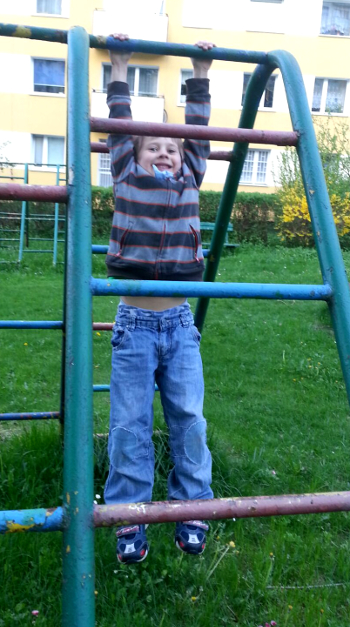 Active play builds large motor coordination and big movement skills. It enables children to strengthen and build all the muscle groups in the body, torso, hands, wrists, fingers and arms.
It helps children:
Catch, throw or kick a ball, jump, climb, dance, ride a scooter or a bike, do jumping jacks, swing from monkey bars and take part in many more adventurous activities.
Exploratory Play
Exploratory play enhances fine movement, hand-eye coordination skills, and sensory integration while children manipulate and use objects.
It helps children:
Build puzzles, construct towers with wooden blocks, build interesting constructions with LEGO, count objects, turn pages in books, make patterns according to colour, shape and size and so much more.
Imaginative Play
Imaginative play inspires children to dream and pretend. It includes art, books, stories and make-believe games and gives children the strongest foundations for early literacy to flourish.
This kind of play enriches language, auditory and visual perception skills children will use in their reading and writing in the future.
When children engage in imaginary play, they:
Children Learn as They Play
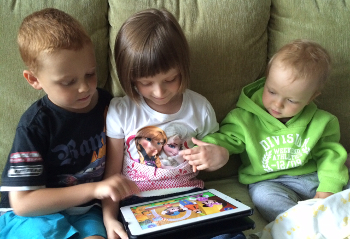 Play allows children to do things for themselves. It is the process of ‘doing’ and repeated, sensory, joyful experiences that help growing children succeed in all their endeavours.
All the different types of play help children build important reading readiness skills, and also: