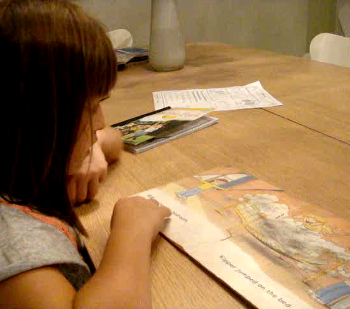
Early Literacy Skills Ages 3-5

Children begin to develop early literacy skills between the ages of three to five. During this time preschoolers become experts at using language as their speech development progresses in leaps and bounds.

The years before school are an exciting time of growth and all around learning. During their preschool years, children develop:

  • Increasingly stronger large and fine motor coordination skills
  • Longer attention span, memory and concentration

Preschoolers have boundless energy and love to keep busy. They learn best through play. They also enjoy a wide range of books for preschoolers on interesting topics.

Building Early Literacy Skills

Children build important early literacy skills by:
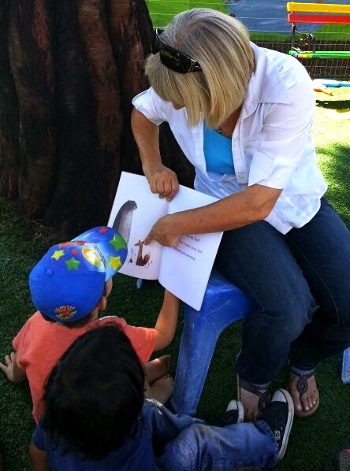
  • Listening to stories we love reading to children, singing songs and rhyming
  • Drawing, painting, colouring in, cutting and pasting, using crayons, paint brushes, pencils, scissors and glue to create lovely pictures.
  • Engaging in interesting and challenging preschool activities.

Making Discoveries About Print

As they listen to stories, rhymes and songs children may begin to make exciting discoveries about print, including:

  • Shapes and the names of the letters of the alphabet
  • Relationships between letters and sounds
  • Learning to write their names
  • Experimenting with writing

All these early literacy skills enhance children’s reading readiness.

Promoting Early Literacy Skills

Helping children develop early literacy skills is all about orienting them to all the steps in reading and writing. Every child is unique and children have their own developmental timetable. If children are taking longer, it’s OK.

Children are never required to master any of the early literacy skills before the start of school. It is good for children, though, to be aware of them.
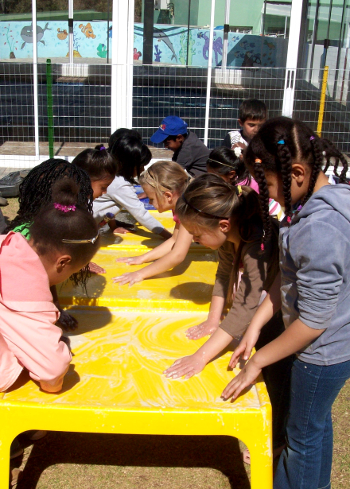
Literacy Activities 3-year-olds Enjoy:

  • Singing the alphabet song and pointing out letters. Playing I-spy games.
  • Asking a lot of questions about anything and everything
  • Having a number and alphabet chart to touch and talk about.
  • Seeing their names displayed on their beautiful artwork and special possessions.

Literacy Activities 4-year-olds Enjoy:

  • Singing the alphabet song, pointing out letters and saying the sounds they make
  • Playing number games, classifying, sorting and matching objects
  • Talking about stories and important events in their lives
  • Exploring a wide variety fiction and non-fiction books on a many different topics

Literacy Activities 5-year-olds Enjoy:
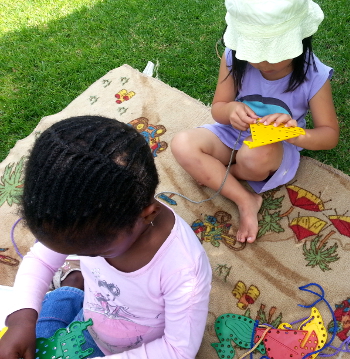
  • Experimenting with writing, copying letters and making lists
  • Exploring the alphabet in the books they love and their environment, spotting all the letters they recognise
  • Using new words they encounter during theme-based learning activities, story time, and play time
  • Telling jokes and solving riddles
  • Writing their names and learning new letters of the alphabet and their sounds
Bennet-Armistead, S. V., (2009). Literacy-Building Play in Preschool: Lit Kits, Prop boxes, and Other Easy-to-make Tools to Boost Emergent Reading and Writing Skills Through Dramatic Play. Scholastic.

National Institute for Literacy, Early Beginnings: Early Literacy Knowledge and Instruction, Washington 2009

Center on the Developing Child at Harvard University, Serve and Return Interactions shape Brain Circuitry

DLTK’s Educational Activities, Children’s Songs, Fairy Tales & Nursery Rhymes