The Importance of Play to Children’s Learning
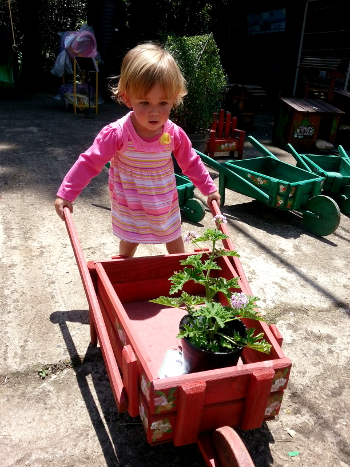
Helping Out at a Nursery

Importance of play to children’s learning and literacy building is paramount. Play and early child development go hand-in-hand:

  • It makes a bright, smart and dynamic child
  • It develops every aspect of the growing child.

Let me do and I will understand.” Confucius

Learning through play is the natural way children can develop, refine and extend the many valuable skills they need for lifelong learning, reading and writing.

Encouraging a child to play requires careful planning and understanding of the educational thinking behind the different kinds of learning activities.

When children are absorbed in play they explore and discover the world around them. They manipulate it, change it and reorganize it to fit their own understanding. It allows youngsters to make mistakes, persevere, focus on tasks and do things on their own.

Good play skills support children’s language acquisition. They also give children the building blocks for early literacy to flourish.

The ability to play constructively allows children to experience the many social, physical, cognitive and emotional benefits of this multidimensional and fabulous activity.
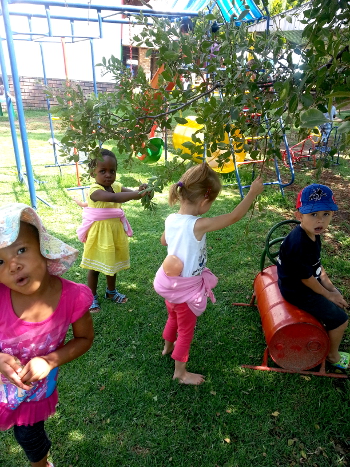
Play Builds Children’s Social Skills

  • Play encourages independence and responsibility.
  • Children learn about relationships with other people and how to communicate.
  • They also learn how to get along with others, take turns and follow rules.
  • It offers them a world in which they can learn about social interactions and relationships.

Play Develops Physical Skills

  • Play helps children build strong and healthy bodies.
  • Through active play children improve their coordination.
  • Play helps children gain control of their bodies because it helps children understand the body’s possibilities and limitations.
  • Movement helps children develop perceptual skills, which are so important for learning to read for academic learning at a later stage.

Imaginative and Active Play of 2 and 3-year-oldsPlay Promotes Cognitive Skills

  • Play helps children to concentrate, reason and organise their thoughts.
  • It encourages creativity and imaginative thinking.
  • While engaging in play, children learn to solve problems and make decisions.
  • Through play, children begin to understand the relationship between cause and effect.

Play Enriches Emotional Maturity

  • Play encourages independence and responsibility.
  • It helps children develop confidence and a positive self-image.
  • Imaginary play helps children make sense of their world.
  • Involvement in play enables children to express their feelings and deal with their emotions.
  • Participation and exploration help children become adventurous, independent and motivated learners.
  • Play helps children engage in games in a way that is enjoyable and constructive.

Bennet-Armistead, S. V., (2009). Literacy-Building Play in Preschool: Lit Kits, Prop boxes, and Other Easy-to-make Tools to Boost Emergent Reading and Writing Skills Through Dramatic Play. Scholastic.

Pica, R., (2006). A Running Start: How Play, Physical Activity and Free Time Create a Successful Child. New York, Marlowe and Company.

Ginsburg, Kenneth, R, The Importance of Play in Promoting Healthy Child Development and Maintaining Strong Parent-Child Bonds, article in PEDIATRICS Official Journal of the American Academy of Pediatrics, January 2007, Volume 119

The Importance of Play by London Borough of Hounslow