By Anna Wallis
Warm, nurturing and responsive caregiving is at the heart of happy baby development.
“The first five formative years shape our brain circuitry for a lifetime of learning.” Center on the Developing Child – Harvard University
The exciting process of learning begins with that magical moment when a child is born.
The first cry, first intense gaze into mum’s eyes, the first instinctive grasp of mum’s finger, the first feed and the first embrace reflect all the areas of our developing fantastic, elastic brain. During the first five years of life all the neural connections are formed that will in future help children learn to their full potential.
Contact is Very Important
Contact, preverbal interactions and affectionate experiences are very important in the baby’s world.
Brain is a social organ it requires affectionate interactions with mum, dad, older siblings and the other caring adults to blossom. Babies love the sound of our voices. Talking, singing and reading to newborn babies is the most wonderful form of stimulation. As adults we instinctively adjust the way we talk to babies. We speak in short simple sentences, repeat words, stretch out the vowels exaggerate the intonation patterns. Newborn babies communicate and respond in turn in many ways: through eye contact, body language and crying, they:
- Gaze into our eyes when we interact them
- Watch our faces intently
- React to our voices, by turning their heads towards our faces and moving their arms and legs.
These affectionate interactions between babies and loving adults, also set the stage for language and literacy acquisition to flourish.
Talk, Sing and Read with Your Baby
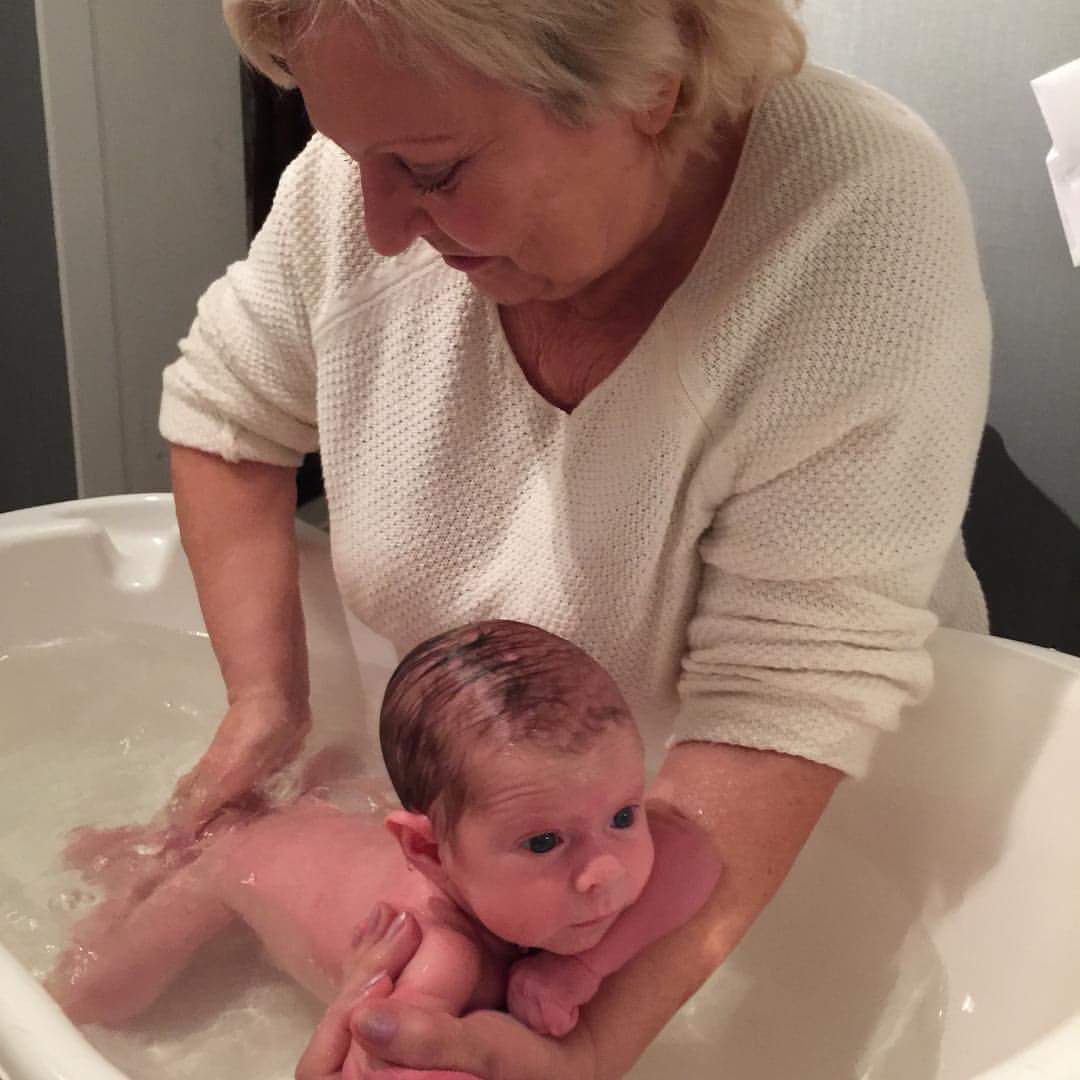
If you are a proud mum or dad of newborn baby interact with your gorgeous tiny tot. Hold your baby facing you, or bend down so that your baby looks at your animated face. Use feeding time as a bonding time when your baby gazes into your eyes. And comfort your baby when your tiny tot is crying. It helps your baby to develop a deep sense of attachment and trust.
Why Newborn Babies Cry
Crying is the way babies can ask for help.
Take cues from your beautiful baby girl or baby boy. Does your baby need a good burp or a fresh nappy? Or is your baby lonely or hungry?
There will always be well-meaning advice telling you to leave babies to cry it out and they will comfort themselves in time.
Newborn babies cannot soothe themselves they need to hear your voice, and feel your heartbeat. The emotional part of the brain is formed around six weeks of life. Babies depend on loving adults to ensure that this part of the brain develops in a healthy way. They will soon reward you with that first perfect smile.
Loving Interactions Create Happy Memories
Later on when children begin to toddle, the memory of your voice and loving hugs and the calm that these things bring will help them regulate their emotions. But for now your baby is asking for help. This is the first step to healthy emotional development. The first 18 months of life are a time when babies need to develop a sense of trust. When you comfort a baby you are fostering a safe worldview within them.
Bonding with babies, getting to know them and tuning-in to their rhythms is so good for their development. Research has linked emotional wellbeing of a young child to enhanced cognitive development and academic achievement later in life.
Other Articles of Interest to Explore:
Inspiring Link:
Center on the Developing Child, Harvard University