By Anna Wallis
Literacy of our children is key to a successful future. The ability to read and write is the doorway to education.
Access to education gives everyone of us, children and adults alike, the freedom to read for academic achievement and for pleasure. It also gives us the freedom to follow our passions and dreams and make them all come true.
The worrying thing though, is that literacy is in crisis in many parts of the world.
Educators are expressing concern that almost a third of children are experiencing difficulties with reading and writing. Too many school leavers’ final comprehension and reading scores fall short of the expected literacy outcomes. Low comprehension and reading scores, as well as poor writing skills, make it difficult to further their education.
Making a Difference
We can all make a difference and improve literacy rates. Thanks to extensive research the world over in the last two decades, we have better insight into what makes successful readers, writers and spellers.
One thing we know for sure is that there is more to reading than the ability to decode words into sounds. We also know that we should focus more on the process of reading to achieve all the literacy goals.
Literacy and Learning Begin at Birth
Research tells us that the process of reading begins at birth. All experts on child and brain development, reading, education, linguistics, psychology, paediatrics and parenting agree without a shred of doubt, that:
- Early childhood years filled with affectionate, consistent, developmentally appropriate stimulation and opportunities give children a sound base to grow from strength to strength in middle childhood, adolescence and adulthood.
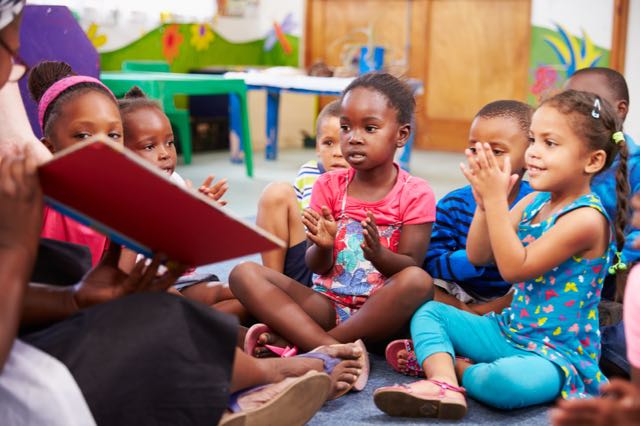
- Children who grow up in joyful, literacy-rich environments enjoying books, stories, singing, rhyming, dancing and playing throughout their pre-school years learn to read naturally in the early grades of school.
So what does it really mean?
It definitely does not mean attempting to teach young children to read with alphabet flash cards and reading programmes in their pre-school years. Attempting to ‘make’ children read before they are physically, biologically and cognitively ready can do more harm than good. In fact, it could cause stress, anxiety and learning gaps in the process of reading.
Most children learn to read in the early grades of school. Primary school syllabi are designed to teach children to read, write and spell.
We can all Nurture Literacy
So, what the research is really telling us, is that we can all become champions of literacy. As parents, early childhood educators, caregivers and all the other important adults in children’s lives we can make nurturing of literacy a happy and natural part of each day.
We can ensure the literacy journey always feels like a wonderful adventure. All we have to do, is be more mindful about how children develop and how literacy progresses in the growing child.
All our children are our future and deserve the best start in life, with:
- Wholesome nutrition
- Affectionate, warm, encouraging and responsive caregiving
- Opportunities to develop all the skills and abilities that enhance the process of reading
Nurturing literacy in early childhood is the best gift to children. It will empower every little girl and boy to begin primary education on an equal footing from the first day of school.
Getting off to a good start is really important for children. It gives every child the confidence and self-motivation to be interested in learning for a lifetime.
Literacy-building Experiences
There is so much more to reading than letters and sounds. They are of course very important. However, before children can assimilate them and make sense of them, they need a lot of enjoyment, success and practice in doing a lot of things. This includes doing things that may not seem to be helpful to reading at first glance, but are essential to make children more capable of reading, writing and spelling in the future.
Enjoyable literacy-building experiences prepare growing brains for reading and writing. They fire up, build and connect the millions of synapses and stimulate all the areas that control:
- Language
- Perception: auditory and visual
- Movement
- Emotions
- The cortex: the cognitive and thinking part of our brain
All these areas make up the foundational strands for developing literacy skills.
Enjoyment
Children love learning and playing.
Enjoyment is the most valuable feature that predicts success. It ignites children’s natural motivation, interest and enthusiasm to learn.
A smile that lights up a young child’s face, tell us:
- ‘I am so happy to be with you.’
- ‘Aha! I get it!
- ‘Look what I can do!
- ‘I did it!
Is wonderful to observe and it is, also, the best reflection of a beautifully stimulated brain.
Success
Success motivates us and gives us more confidence to achieve more. Babies, toddlers and preschoolers and older children thrive on it.
Interesting, challenging and do-able activities and routines during the course of a balanced day spur children to explore and learn to their full potential.
It is the process that is the more important than the final product. The effort, perseverance, concentration, the ‘trial and error’ that children put into all their endeavours, count the most.
It is important to acknowledge children’s achievements. We all love to hear: ‘Well done!’ or ‘High Five!’, ‘I love your work’. Well-deserved praise spurs children on to impress us even more.
Practice
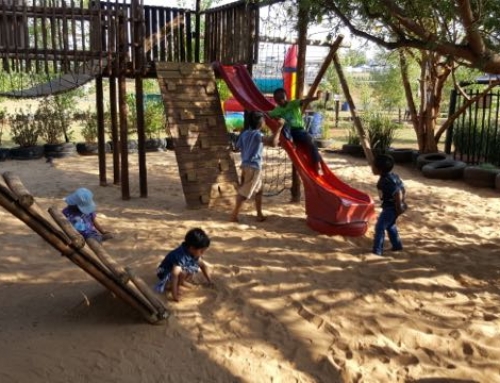
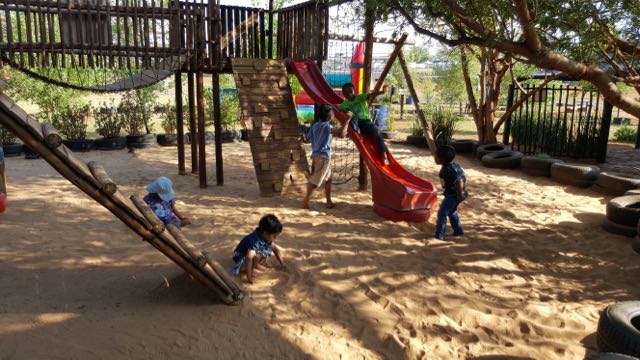
Learning through play and literacy-building experiences boost brain development and children’s ability to read in the future.
When children have interesting materials and equipment around them they are instinctively drawn to use them, manipulate them, touch them and experiment with them.
It is really simple to create opportunities to include them in a joyful balanced day in children’s daily activities and give children the practice they need:
- At talking and communicating to develop good language skills
- At moving their bodies to build large movement coordination skills
- At using their hands a lot to build manual dexterity and hand-eye coordination
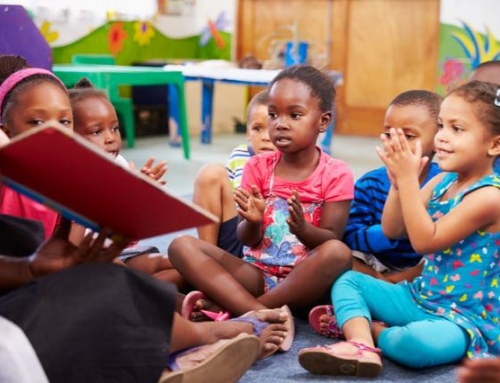
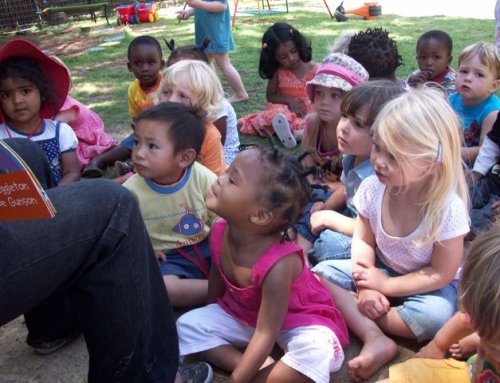
- At listening to and understanding stories, directions and instructions to develop auditory perception and comprehension skills
- At interpreting visual information in nature, environment and pictures to develop visual perception skills
Be a Champion of Literacy
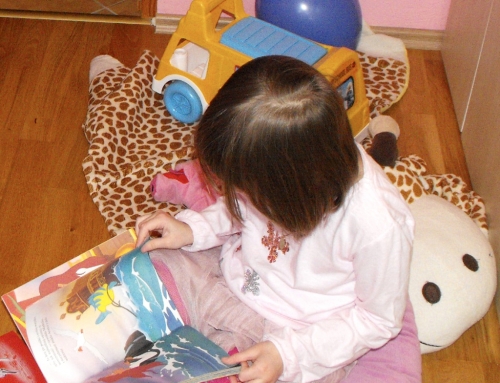
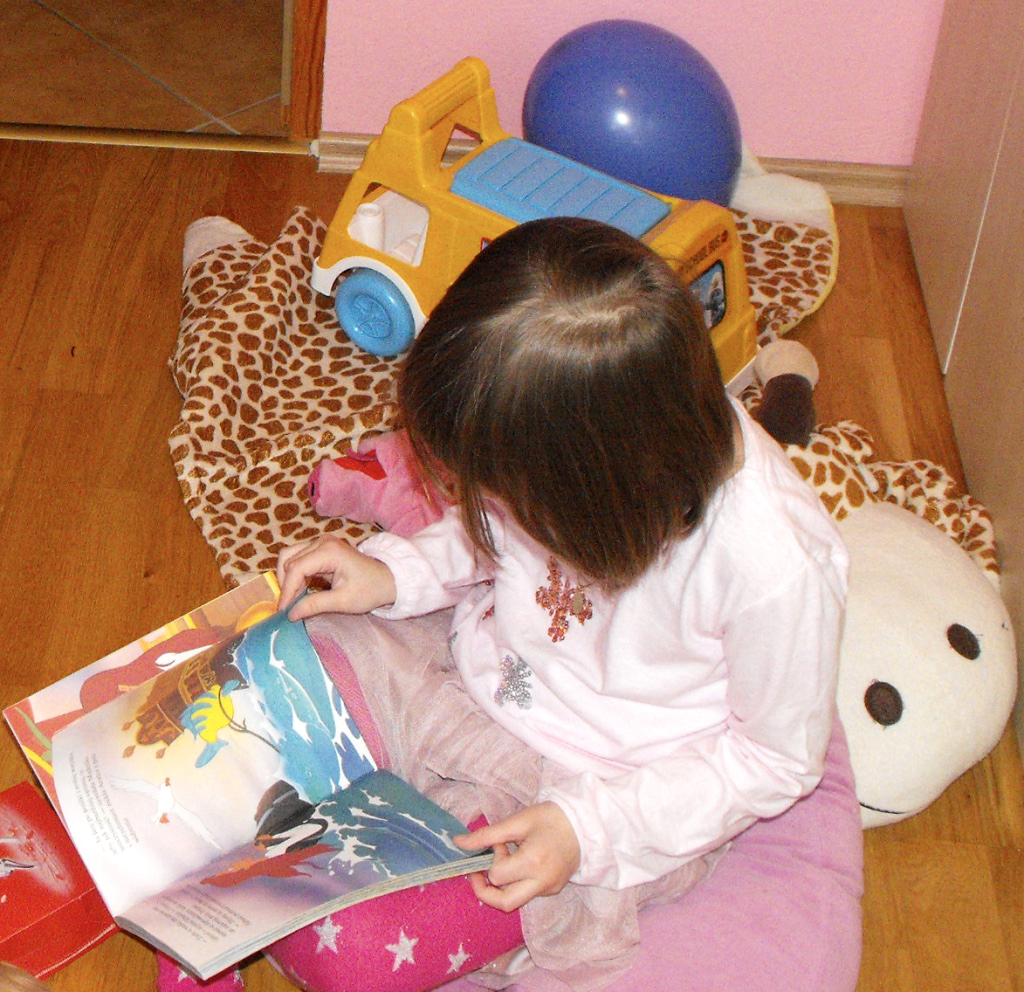
Nurturing literacy for life begins at birth with us, affectionate, caring adults enriching children’s lives with books and reading as they grow, develop and learn.
All children can walk tall and proud with inspiring adults by their side. Children thrive and achieve when we believe in them, hold their hands when they need us and let go when they can manage on their own.
Positive experiences boost literacy for life. Negative ones could have the opposite effect. So it is really important to enjoy children more and make the most of the time we have with our boys and girls in our fast-paced, competitive world.
Making literacy a joyful and natural part of each day is the best way to put our minds at rest and relax more, basking in the knowledge that we are giving all our children the key to education and success.
Other articles to explore:
Inspire Children to Learn to Read
Learning Through Play Makes Children Thrive
References:
The following video presentations on YouTube inspired this article:
The importance of Play by London Borough of Hounslow
JoAnn Deak: Findings on Brain Development in the First Five Years of Life